Proudly serving Mesa, Gilbert, Chandler, Tempe, Scottsdale, Queen Creek & surrounding areasCall or Text 24/7: 480-210-6373
Stucco homes and saguaro cacti in a suburban Mesa, AZ neighborhood under bright daylight.

Mesa Excavation Co.: Site Preparation & Grading in San Tan Valley, AZ

Mesa Excavation Co. provides site preparation and grading for residential lots, custom home sites, and commercial parcels in San Tan Valley, AZ. We handle land clearing and utility trenching as part of a coordinated earthwork plan. Our services also include foundation and building pad excavation, pool digging and removal, concrete demolition, drainage work, material hauling, and hydro excavation.

Caliche hardpan and thin desert topsoil can complicate a footing, backyard regrade, or drainage repair. Monsoon runoff makes the direction of finished slopes just as important as the depth of the dig. We assess existing grades, soil conditions, access, and your plans before selecting equipment and estimating haul volume. Talk with our crew about the work your property needs before excavation begins.

Our work spans Johnson Ranch, Circle Cross Ranch, Skyline Ranch, Ironwood Crossing, Copper Basin, and Encanterra near Poston Butte. We also serve Queen Creek, Florence, Coolidge, and surrounding unincorporated Pinal County parcels.

★ ★ ★ ★ ★4.9/5 Customer Rating - 28 Years of Excavation Experience - 1,000+ Projects Completed - Licensed, Bonded & Fully Insured - Residential & Commercial Site Work
Earthwork Services

Excavation Services in San Tan Valley, AZ

From clearing a desert lot to removing old concrete, each service addresses a different part of preparing usable ground. We coordinate excavation, grading, trenching, and hauling so the work follows your property's plans and access conditions.

Site Preparation & Grading

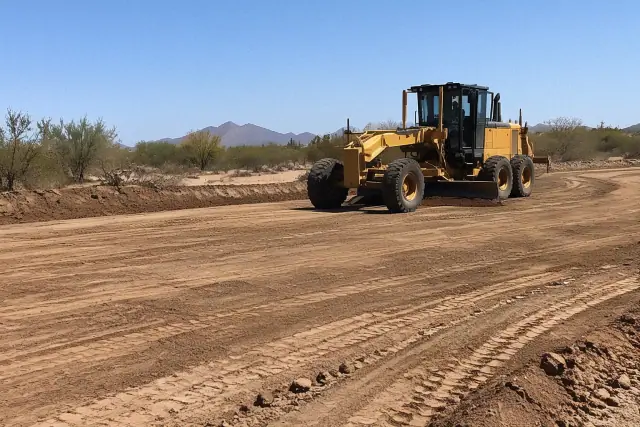
Motor grader smoothing a dirt surface for site prep in San Tan Valley, AZ.

We cut, fill, and regrade lots to establish planned elevations and drainage away from structures. Suitable soil stays on-site when cut and fill can be balanced, and subgrade is compacted in lifts before finish grading.

Explore Service

Land Clearing

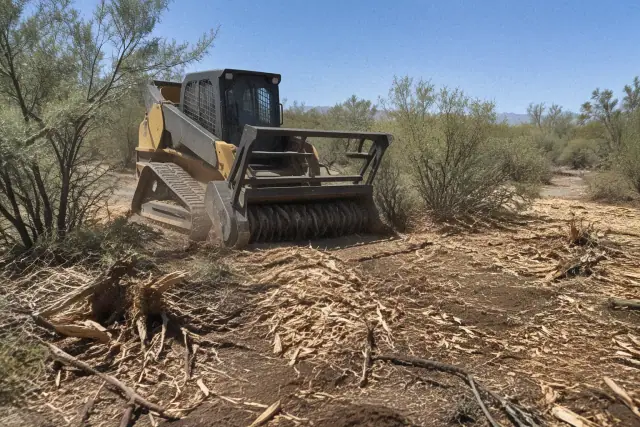
Heavy forestry mulcher clearing dense brush and small trees on a rugged land lot in San Tan Valley, AZ.

Mesquite, palo verde, creosote, and cholla need more than a surface cut before construction. We remove vegetation and root balls, strip obstructing cap rock, and arrange debris hauling or mulching to leave workable ground.

Explore Service

Utility Trenching

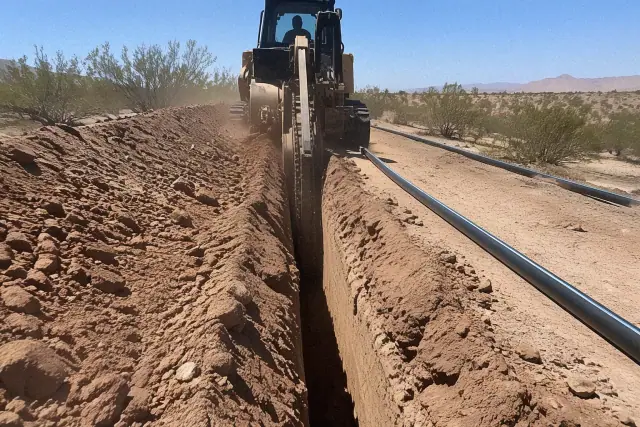
Freshly cut earthen trench and black conduit for utility trenching in San Tan Valley, AZ.

We excavate routes for water, sewer, electrical, and irrigation lines to the applicable design depths. Arizona 811 Blue Stake coordination comes before digging, with utility exposure and trench protection addressed for the conditions encountered.

Explore Service

Foundation Excavation & Building Pads

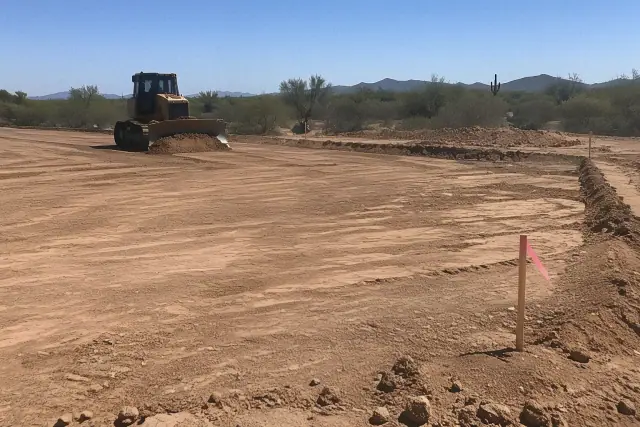
Compacted earthen building pad with grade stakes and laser tracks in San Tan Valley, AZ.

Footings, stem walls, basement cuts, and building pads are excavated to the engineer's dimensions and elevations. We place and compact fill in lifts, check finish grades, and provide compaction documentation when required for the project.

Pool Excavation

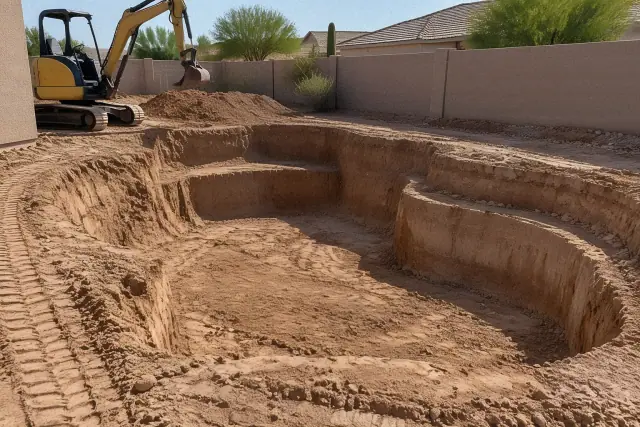
Compact excavator digging a backyard pool in San Tan Valley, AZ, showing fresh earth cuts and tracks.

Pool digging follows the designer's shell dimensions, with laser checks for bond beam elevations. Caliche encountered within the first 3 to 5 feet can call for a rock bucket or hydraulic breaker before plumbing and rebar work begins.

Pool Demolition & Removal

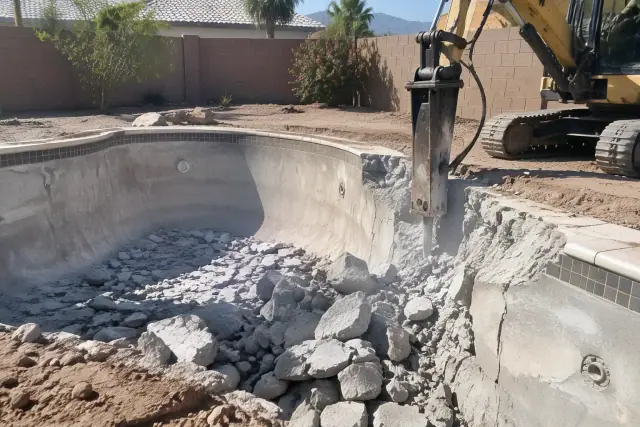
Hydraulic breaker pulverizing a concrete pool shell during pool demolition in San Tan Valley, AZ.

We handle partial and full pool removal according to the approved scope and intended future use. Partial removal includes shell breakup and compacted backfill; full removal takes out the shell and plumbing for a more extensive site conversion.

Concrete Demolition & Removal

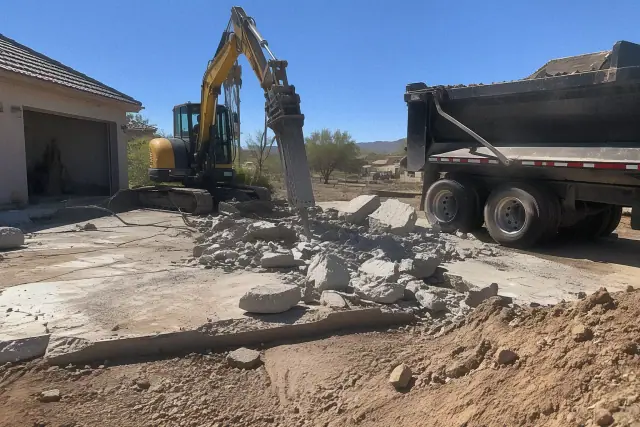
Heavy machinery breaking up a reinforced concrete driveway for excavation in San Tan Valley, AZ.

Hydraulic hammers and demolition excavators break out driveways, patios, sidewalks, and slabs. We load and remove debris, using concrete recycling facilities where possible before the area is regraded.

Drainage & Retention Excavation

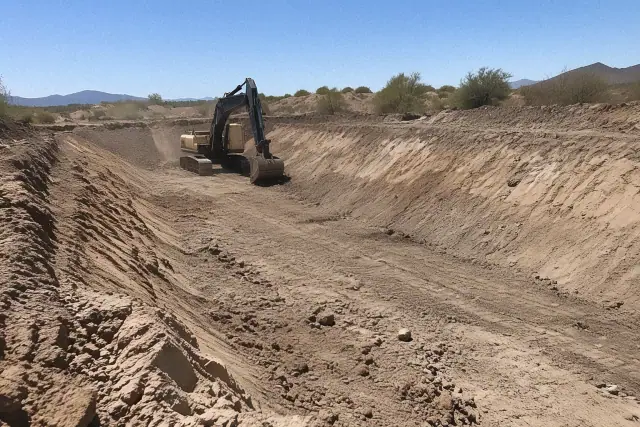
Tracked excavator digging a wide drainage trench in San Tan Valley, AZ.

We excavate swales, French drains, area drains, and retention basins from the drainage plan. Retention work can follow an engineer's calculated 100-year storm volume, while discharge routes must suit the parcel and approved outlet.

Dirt & Rock Hauling

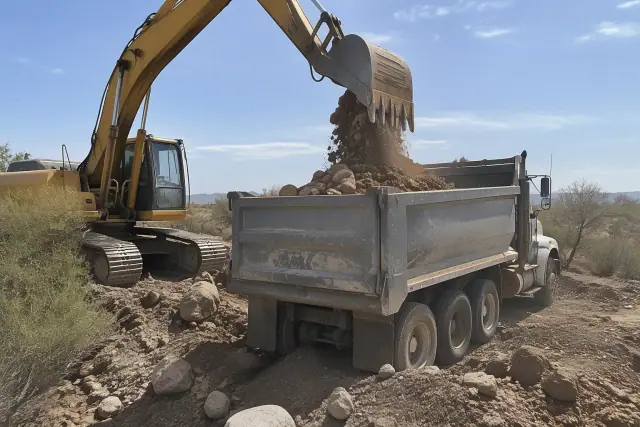
Excavator loading heavy stone and earth into an industrial haul truck in San Tan Valley, AZ.

Spoil and caliche are measured in cubic yards and hauled using trucks suited to site access. Suitable native rock may be crushed and reused as compacted base beneath driveways or pads, reducing the need for imported material.

Hydro Excavation

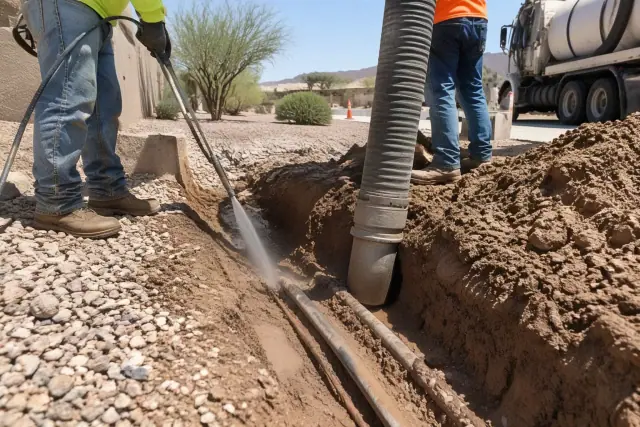
Hydro excavation exposing underground utilities in San Tan Valley, AZ with a high-pressure water wand and vacuum tube.

Pressurized water loosens soil while vacuum extraction removes the slurry to expose buried utilities. We use this approach for potholing near gas lines, fiber, and electrical conduit where access or nearby structures limit mechanical excavation.

Plan the Right Scope

Choosing an Earthwork Plan for Your Property

Start with the finished use of the ground, then work through soil, runoff, access, and material handling. The scope for a driveway differs from a pool dig or commercial pad, even when those projects share the same lot.

Match Equipment to Caliche

Ask how the crew will assess hardpan and what attachments the work may need. Skid steers, mini excavators, and full-size trackhoes serve different access and production needs, from a half-acre residential lot to a multi-acre commercial pad.

Set the Finished Elevations

Use the civil or architectural plan to define pad, footing, and slab elevations before excavation. Our finish-grade work for slab-on-grade construction is typically within a quarter-inch, with the engineer's specified tolerance controlling the project.

Plan the Drainage Route

Check where runoff enters the lot and where the proposed grading will send it. Swales, drains, and retention areas should work together so a corrected low spot does not shift water toward a neighbor or an existing foundation.

Define Hauling and Material Reuse

Compare the amount of cut material with the fill the design requires. Soil quality determines what can remain on-site, while truck access, disposal needs, and reusable rock shape the hauling portion of the estimate.

Check Permits Before Mobilization

Discuss grading plans, drainage review, and compaction reporting during the site assessment. Confirm current town and county responsibilities for the parcel, and identify the applications tied to the excavation scope before equipment arrives.

Price the Actual Site Conditions

Caliche depth, slope correction, compaction needs, and drainage work all affect the scope. If comparing this lot with a project in Phoenix, AZ , evaluate each site's soil, access, and runoff separately before comparing estimates.

San Tan Valley Site Concerns

Ground Conditions That Complicate Excavation

Standing water, buried roots, and hardpan can turn a simple yard project into a broader earthwork job. Identifying the cause at the site visit helps connect the proposed excavation to the problem you need solved.

Discuss My Site

Caliche That Resists Digging

A hardpan layer several feet thick can slow ordinary digging and change equipment needs. Ripping or hydraulic breaking may be needed for footings and deeper cuts where a standard bucket cannot work efficiently.

Water Collecting Near Foundations

Poorly directed sheet flow and low spots can hold stormwater close to a building. Regrading and a planned drain or swale route address the path of that water, with finished slopes set for the site.

Roots Beneath a Cleared Surface

Cutting mesquite or other desert vegetation at ground level can leave root balls in the work area. Grubbing removes those obstructions before grading, reducing regrowth and interference with later earthwork.

Runoff Across Exposed Soil

Freshly cleared lots can lose soil during intense rain, particularly through the roughly June-to-September monsoon period. Silt fence, wattles, and rock check dams help control sediment while construction leaves the ground exposed.

Buried Utilities in Tight Yards

Gas lines, fiber, and electrical conduit can sit close to the planned dig, while limited access narrows equipment choices. Locates and careful utility exposure help define the excavation route before larger equipment moves soil.

Uneven Grades and Unprepared Fill

High spots can direct runoff toward neighboring ground while low spots collect it. Cut-and-fill work needs both elevation checks and compaction in lifts so the finished surface follows the plan beneath as well as above ground.

Why Choose Us

A Crew Familiar with Local Earthwork

Mesa Excavation Co. coordinates clearing, grading, utility excavation, and hauling within the same earthwork sequence. Our licensed excavation company carries bonding and insurance for its earthwork and grading scope. The work plan accounts for equipment, material movement, and inspections.

Experience Across Valley Properties

Our crews have worked residential lots in Johnson Ranch and Skyline Ranch, custom home sites near San Tan Heights, and commercial pads along Hunt Highway and Combs Road. That range helps us assess how access, existing development, and soil conditions affect your scope.

Grades Checked During the Work

Laser grading equipment supports elevation checks as the site takes shape. On a drainage-critical grade, even a half-inch of error can change the direction of runoff, so final checks compare the work with the approved plan.

Planning Around Desert Weather

Triple-digit summer heat, monsoon rain, and occasional winter freezes can affect access and soil workability. We factor those conditions into earthwork scheduling and review compaction and finished grades before the next phase.

Our Earthwork Process

From Site Visit to Final Inspection

A coordinated sequence connects the estimate to the actual excavation. We review the ground and plans first, then move through preparation, earthwork, and final checks with the next trade's requirements in view.

01.

Assess the Lot and Plans

We measure the work area, review existing grades, evaluate caliche conditions, and examine available civil or architectural drawings. The visit also identifies access limits and drainage concerns that belong in the scope.

02.

Define Equipment and Hauling

We choose equipment for the soil and working room, estimate material volumes, and identify disposal or reuse options. The quote reflects whether drainage, retention, or demolition needs to happen alongside grading.

03.

Coordinate Approvals and Locates

We identify the approvals connected to our work and arrange utility-locate coordination before excavation. For larger disturbances, the planning review also considers erosion controls and applicable stormwater permit coverage.

04.

Clear, Strip, and Excavate

Vegetation, roots, unsuitable material, and hardscape within the agreed scope are removed before the main cut-and-fill work. Caliche is ripped or broken where needed, and excavation follows the planned dimensions.

05.

Compact and Finish Grade

Fill is compacted in lifts as elevations are built up, rather than only at the surface. Laser checks guide the final grade, including drainage routes and pad elevations that need to meet the design.

06.

Check Grades and Document the Work

We compare compaction and finish elevations with the approved plan before requesting the applicable inspection. Required test documentation supports permit close-out, and identified issues are addressed before the next phase.

Project Goals

What Planned Earthwork Makes Possible

Case Study 1: A yard with a defined drainage route: Correcting high and low spots gives runoff a planned path through swales, drains, or retention areas. The goal is to manage water without redirecting the problem toward neighboring property.

Case Study 2: A pad ready for the next trade: Excavation to design elevations, compacted fill, and documented checks prepare the ground for the construction sequence. Footing and slab work can then proceed against the approved site plan.

Case Study 3: Usable ground after demolition: Removing an old pool or concrete surface opens the area for the planned replacement use. Backfill, compaction, and regrading are selected around that future use and the approved removal scope.

Start with Your Site

Discuss Your Excavation Project

Tell us what you want to build, remove, or correct on your San Tan Valley property. Share available plans, access concerns, and any areas that hold water so we can review the earthwork scope and arrange an estimate.

Planning Your Project

Excavation & Grading FAQs for San Tan Valley, AZ

Find answers about local properties, project scope, scheduling, and ground conditions. Your lot's plans, soil, access, and approval requirements determine the details of the work.

Discuss Your Project

The right fit depends on your lot-size needs, commute, and community preferences. Johnson Ranch, San Tan Heights, Circle Cross Ranch, Skyline Ranch, Ironwood Crossing, Copper Basin, and Encanterra offer different property settings. If a build or yard renovation is part of your decision, review the lot's access, soil, drainage, and HOA grading requirements before planning excavation.

There is no single property tax rate that applies to every San Tan Valley parcel. The total depends on assessed values and the taxing districts associated with the property, including school and special districts. Use the parcel's Pinal County assessment and tax information for that budget; grading, permitting, and excavation costs are separate project expenses.

No. They are neighboring municipalities with separate boundaries and approval processes. San Tan Valley incorporated in 2025, while Queen Creek has been incorporated for decades. We work in both communities and confirm the applicable jurisdiction for each site.

Grading, drainage changes, and building pad work may require plans, permits, and compaction reports, depending on the parcel and scope. Confirm the current town and county review route before filing, particularly during the transition of local services. Mesa Excavation Co. identifies and manages the applications tied to our scope during project planning.

A typical residential yard grading project takes a few days to a week once equipment is on-site. Larger building pads or commercial preparation with substantial cut-and-fill can take two to three weeks or longer. Caliche, drainage work, haul volume, and weather all affect the schedule.

Hydro excavation combines pressurized water with vacuum extraction to uncover buried utilities. It is useful for potholing near gas lines, fiber, and electrical conduit, or where tight access makes bucket excavation difficult. Utility-owner requirements and site conditions determine the appropriate exposure method.

Professional grading runs roughly $0.40 to $2.00 per square foot, with most residential yard grading projects between $1,500 and $5,000. Caliche depth, slope correction, and compaction requirements affect where a project falls in that range. We assess the lot and include the relevant hauling and drainage scope when preparing the estimate.

We select rock buckets, hydraulic breakers, or ripping methods for hardpan that ordinary digging equipment cannot handle efficiently. The site assessment helps identify equipment and schedule needs before the main excavation. Footing dimensions and pool shell elevations still follow the engineer's or designer's plan.

Partial removal breaks the shell, creates drainage openings, and backfills the area with material compacted in lifts. Full removal takes out the entire shell and plumbing. The intended future use and applicable approvals help determine which removal method suits the property.

We cut and fill to the site plan's elevations, compacting the material in successive lifts. The structural or geotechnical engineer specifies the density target and test method for the project. Required compaction results and pad documentation support the applicable inspection and permit submittal.

Yes. We excavate to the planned depth, remove unsuitable soil, and prepare the subgrade before base rock or paving goes down. Driveway cross-slopes are commonly around 2% to shed water sideways, with the actual slope set by the site's drainage design.

We coordinate an Arizona 811 Blue Stake locate request at least two full working days before excavation and check that required utility responses are complete before digging. Trench protection is assessed under OSHA excavation standards in 29 CFR 1926 Subpart P. Trenches 5 feet or deeper generally require a protective system unless entirely in stable rock, and shallower cuts still require competent-person evaluation.

Exposed soil needs a runoff and sediment-control plan during construction, especially when monsoon storms are possible. ADEQ's construction stormwater permit generally applies to qualifying discharges from projects disturbing one acre or more, including smaller sites within a larger common development plan. We can incorporate silt fence, wattles, and rock check dams into the earthwork scope as appropriate.

Suitable material can sometimes be reused to balance cut and fill or create compacted base beneath a pad or driveway. Unsuitable soil, excess spoil, and debris need hauling to an appropriate destination. We assess material quality and calculate haul volumes before arranging trucks.

We serve San Tan Valley communities including Pecan Creek, San Tan Heights, Johnson Ranch, and Copper Basin, as well as the neighborhoods listed above. Our work also extends to Queen Creek, Florence, Coolidge, and unincorporated Pinal County parcels. Share the property location and scope so we can discuss site access and the work involved.