Proudly serving Mesa, Gilbert, Chandler, Tempe, Scottsdale, Queen Creek & surrounding areasCall or Text 24/7: 480-210-6373
Stucco homes and saguaro cacti in a suburban Mesa, AZ neighborhood under bright daylight.

Mesa Excavation Co.: Site Preparation & Grading in Chandler, AZ

Mesa Excavation Co. provides site preparation and grading for residential, commercial, and industrial projects throughout Chandler, AZ. We clear land, trench utilities, and excavate foundations and building pads before construction begins. Our work also includes pool excavation and removal, concrete demolition, drainage excavation, hauling, and hydro excavation.

Caliche, the calcium-cemented hardpan beneath many Chandler lots, can turn a straightforward dig into a ripping and hauling job. Tight access and drainage needs also affect the equipment and sequence your site requires. We walk the property, review the plans, and account for those conditions before quoting the work. Call for a free estimate based on your lot and construction scope.

From custom homes in Ocotillo to building pads near the Price Road tech corridor, we plan earthwork around the next construction phase. Our Chandler coverage includes Fulton Ranch, Sun Groves, Clemente Ranch, Carino Estates, the Downtown Chandler Historic District, and the Chandler Airpark.

★ ★ ★ ★ ★4.9/5 Customer Rating - 28 Years of Excavation Experience - 1,000+ Projects Completed - Licensed, Bonded & Fully Insured - Residential & Commercial Site Work
Chandler Earthwork Services

Excavation and Site Work Services in Chandler, AZ

A backyard pool dig and a commercial building pad need different equipment, access, and hauling plans. We scope each project individually and coordinate clearing, grading, trenching, and removal so the work supports your construction sequence. West Chandler redevelopment and projects toward Tempe, AZ often combine existing utility concerns with concrete demolition or pool removal.

Site Preparation & Grading

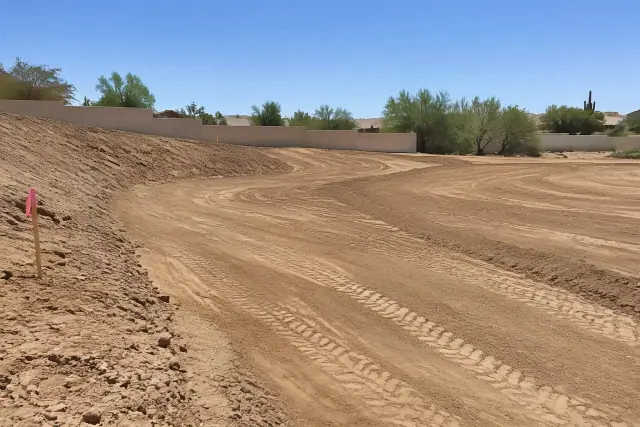
Freshly graded dirt site in Chandler, AZ with grade stakes, tire tracks, and a stucco retaining wall.

We clear the work area, balance cut and fill, and complete rough and finish grading to your plans. Building pad compaction follows the engineer's specification, typically 90-95% modified Proctor, with testing before we leave the site. Drainage slopes are shaped as part of the grading work.

Explore Service

Land Clearing

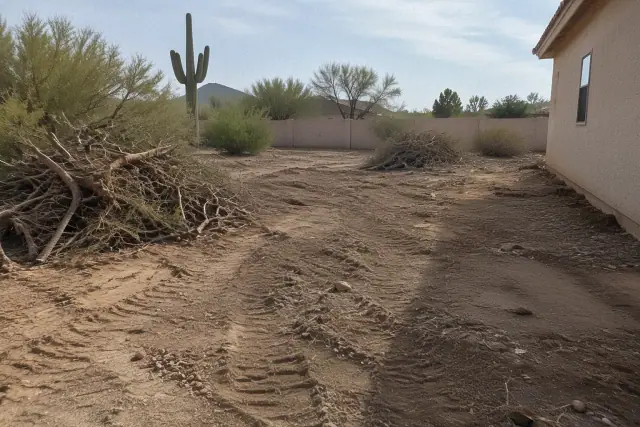
Land clearing in progress on an overgrown desert plot with chopped branches in Chandler, AZ.

Mesquite, palo verde, creosote, roots, brush, and scattered debris can all stand between a desert lot and construction. We clear and grub the site, remove rock, and haul or mulch the vegetation according to the disposal plan. Dense growth and rocky ground affect the clearing scope.

Explore Service

Utility Trenching

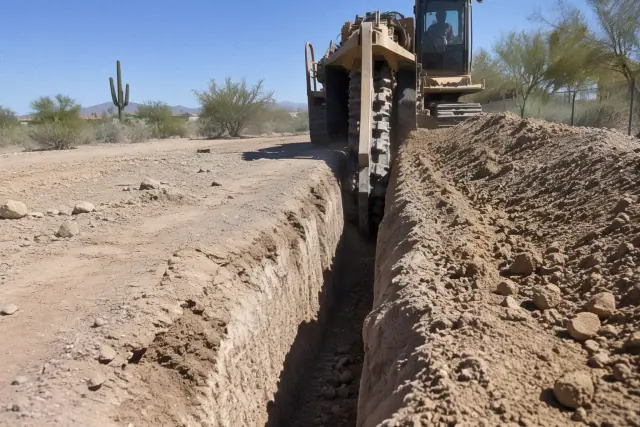
Trenching machine cutting a deep channel in the earth for pipe installation in Chandler, AZ.

We excavate trenches for water, sewer, electrical, gas, and irrigation lines to the required depth and bedding specifications. Utility locating comes before digging, and trench protection is planned around site conditions. Backfill is compacted with native or imported material before the surface grade is restored.

Explore Service

Foundation Excavation & Building Pads

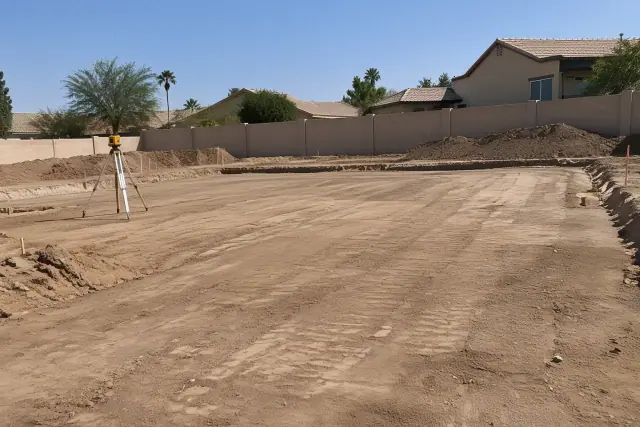
Compacted earthen building pad with laser level tripod for a foundation in Chandler, AZ.

Footing depth, pad elevation, and soil bearing requirements guide the excavation. We check design grades with a transit or laser level and coordinate with your soils engineer when testing is needed before footings are poured. Larger commercial pads can require elevation control within a tenth of a foot of design grade.

Pool Excavation

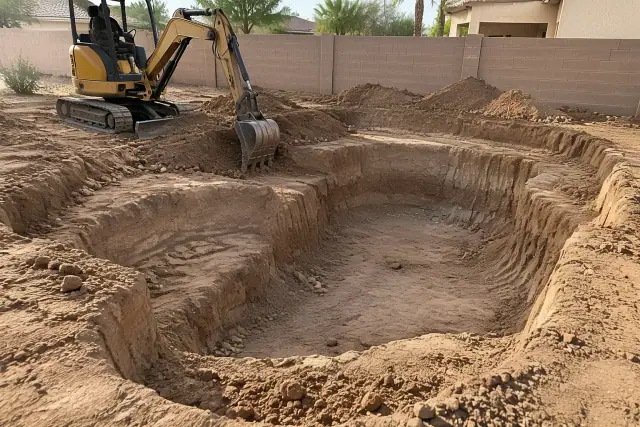
Compact excavator digging a residential backyard pool in Chandler, AZ.

We dig to the pool builder's plan, control depth, and haul excavated spoil off-site. The work is planned to leave access for the plumbing and gunite crews that follow. A site walk helps identify access restrictions and caliche that can change the excavation scope.

Pool Demolition & Removal

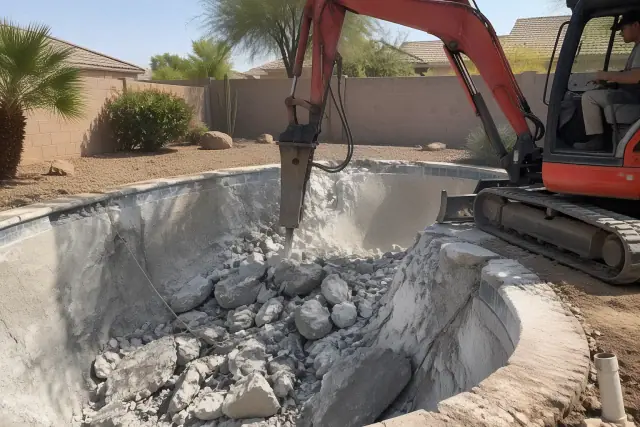
Mini excavator with a hydraulic breaker demolishing a pool in Chandler, AZ.

Pool removal includes breaking the shell, removing debris, and completing the specified full removal or partial collapse and backfill. We obtain the required demolition permit before work starts. Backfill is compacted in lifts to help limit later settlement in the reclaimed yard.

Concrete Demolition & Removal

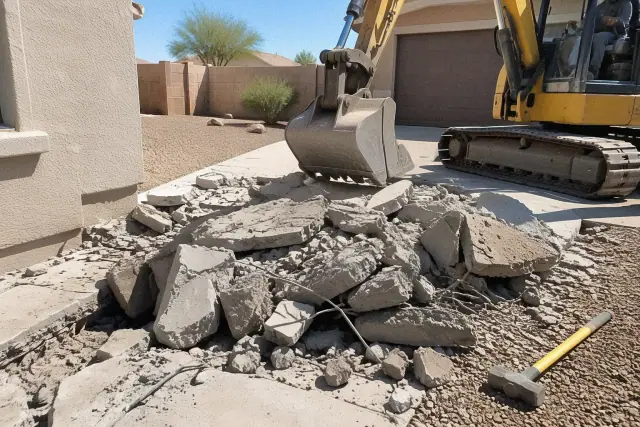
Heavy machinery breaking up driveway concrete and rubble in Chandler, AZ.

Hydraulic breakers and excavator-mounted hammers break out patios, driveways, slabs, sidewalks, and foundations scheduled for removal. We plan demolition around adjacent structures and buried utilities, then load and haul the concrete. Material goes to approved disposal or recycling facilities, with recycling used where possible.

Drainage & Retention Excavation

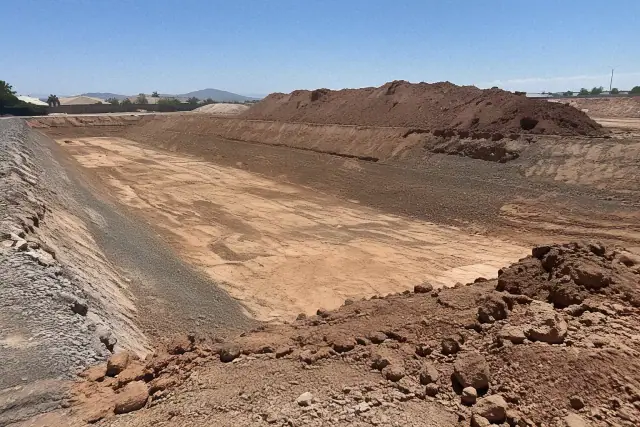
Freshly graded earthen basin slopes and soil piles during a drainage excavation project in Chandler, AZ.

We excavate area drains, French drains, dry wells, swales, and retention basins to suit the drainage design. Flat terrain and clay-heavy pockets make water routing especially important. Basin volume, bank slopes, and erosion control follow the civil engineer's drainage report and the approved site plan.

Dirt & Rock Hauling

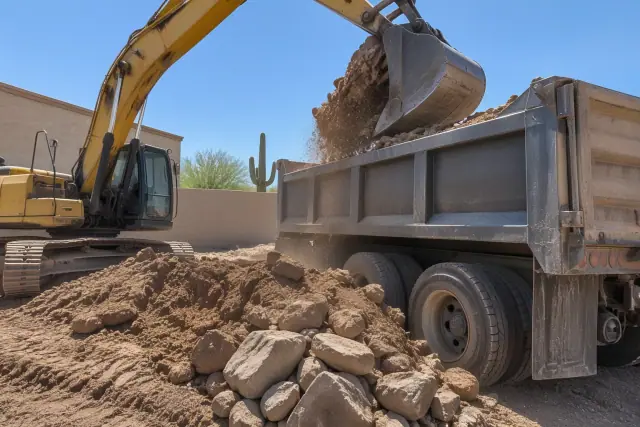
Excavator loading heavy stone and dirt into a haul truck in Chandler, AZ.

Dump trucks and belly dumps move excess soil from grading, trenching, and pool excavation. Suitable material may stay on the property for backfill, while rock and caliche that cannot serve as structural fill are hauled away. Truck capacity and disposal destinations are matched to the project.

Hydro Excavation

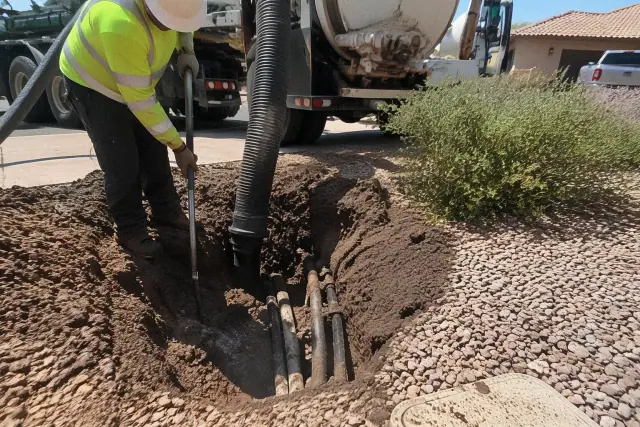
Hydro excavation safely exposing underground utility conduits in Chandler, AZ.

Pressurized water and vacuum extraction expose buried lines where a mechanical bucket would be difficult to use carefully. We use hydro excavation near gas, fiber, and other utilities, including constrained work around downtown Chandler and the Airpark. The method supports controlled exposure of existing infrastructure.

Plan the Work

Planning Excavation for Your Property

Start with what the site must support: a home foundation, utility connection, pool, or commercial pad. Access, ground conditions, elevation requirements, and material removal determine the approach. These details help define a practical scope before equipment is mobilized.

Match Equipment to Site Access

Mini-excavators suit tight residential work areas, while full-size excavators and dozers handle larger cuts and pad work. We also use skid steers where they fit the scope. Selecting equipment for the available access keeps a small yard and a large commercial site from receiving the same approach.

Define Footing and Pad Requirements

Bring the structural and civil plans into the scope before excavation begins. Footing depth, pad elevation, and soil bearing capacity determine the cut, while the soils engineer defines testing needs. Clear design requirements help keep the earthwork ready for the concrete phase.

Include a Spoil and Backfill Plan

Decide which excavated material can be reused and which needs to leave the property. Caliche and rock may be unsuitable for structural backfill, while usable soil can sometimes remain on-site. Including hauling and imported material needs in the scope makes the estimate more useful.

Plan for Water Movement

Grade alone is only part of the drainage plan. Consider where runoff will collect, how it reaches an approved outlet or retention area, and whether swales or drains are needed. We shape positive drainage away from structures, following the 2% minimum grade most Chandler site plans require where applicable.

Identify Existing Utility Conflicts

Older lots near downtown can combine narrow access with buried infrastructure close to the work. Utility locating and a review of the trench route help identify conflicts before digging. Where lines are close, hydro excavation can expose them with water and vacuum extraction.

Review the Ground Before Pricing

A site walk lets us assess soil, slope, obstacles, and the likely hauling scope. Caliche can replace straightforward bucket work with ripping and extra removal. We provide free estimates after reviewing the property so the proposal reflects the ground being excavated.

Chandler Site Challenges

Ground Conditions That Can Disrupt Construction

Hardpan, expansive clay, buried obstacles, and summer weather can change how a Chandler site is prepared. Addressing those conditions during planning helps the next trade receive the access, grade, and foundation area it needs.

Request a Site Estimate

Dense Caliche Layers

Caliche can extend several feet through the soil profile and require ripping equipment instead of standard bucket excavation. The added breaking and hauling work affects both the schedule and the bid. We evaluate that hardpan risk before setting the excavation approach.

Standing Water on Flat Lots

Flat topography and clay-heavy pockets can leave water sitting near structures after a storm. Swales, area drains, dry wells, and retention excavation address different parts of that problem. The approved drainage design determines where the runoff should go.

Settlement Beneath New Work

Inadequate compaction can contribute to slab cracking, foundation problems, or settlement over a removed pool. Pad soil and backfill need the specified preparation rather than a surface that merely looks level. We test and document compaction on pad jobs and compact pool backfill in lifts.

Buried Debris and Old Site Features

Old septic systems, buried debris, and mature roots can interrupt excavation after work begins. Reviewing the property and the planned work area helps identify those obstacles before equipment arrives. Clearing and removal are sequenced ahead of grading where the site requires them.

Monsoon Runoff in Open Excavations

Monsoon season, roughly June through September, can bring sudden downpours and haboob dust events. An open cut or trench may collect water overnight, interrupting work and changing site conditions. Temporary drainage is part of our planning when storms threaten the work area.

Summer Heat and Drying Soil

Chandler summer temperatures regularly exceed 105-115°F, affecting compaction moisture and crew scheduling. We often begin earthwork early in the morning during peak summer months. Moisture conditions need attention throughout grading so dry soil does not undermine preparation.

Local Excavation Experience

Why Work With Mesa Excavation Co. in Chandler, AZ

Chandler projects range from established residential lots to large industrial pads. We bring local ground knowledge, equipment matched to the scope, and coordination with the project plans to each job. The work is organized around soil preparation, drainage, and the next construction phase.

Chandler Ground Knowledge

Shallow hardpan, deeper rock, and expansive clay do not affect every lot the same way. Our local excavation experience helps us anticipate which conditions may change the cut, drainage work, or hauling needs. That understanding supports an estimate grounded in the actual site.

Documented Grade and Compaction

We test and document pad compaction so there is a record for the inspector or engineer. Transit and laser checks verify excavation grades, while GPS-guided equipment supports larger commercial grading jobs. These checks connect the finished earthwork to the project requirements.

Coordinated Site Work

Clearing, grading, trenching, and pad preparation work best when each phase prepares for the next. We coordinate the sequence and work with the City of Chandler Building Safety Division and your project team on the required paperwork and inspections. Larger industrial sites and residential infill receive a scope suited to their construction needs.

From Site Walk to Finish Grade

Our Site Preparation Process in Chandler, AZ

The process starts with the property and its plans, then moves through locating, clearing, excavation, and finishing. We identify access and drainage concerns early and check the grade and compaction requirements before the next construction phase.

01.

Walk the Site and Review Plans

We review civil or architectural drawings and walk the planned work area. Soil type, slope, runoff direction, equipment access, and obstacles all inform the scope. This visit also gives us the information needed for a project-specific estimate.

02.

Coordinate Locating and Approvals

An Arizona 811 Blue Stake request comes before digging, with a minimum two full working day notice built into planning. We also review the city, county, and drainage approvals that apply to the scope. The permit work is coordinated before the relevant excavation begins.

03.

Clear and Prepare the Work Area

Vegetation, root systems, brush, rock, and debris are removed where they interfere with the planned work. We arrange hauling or mulching according to the disposal plan. Clearing establishes the space needed for equipment and the next phase of grading.

04.

Excavate to the Design

We carry out the cut, trench, footing, or pool excavation using equipment suited to the site. Caliche and existing utilities affect the method and sequence. Larger commercial grading jobs use GPS machine control to maintain elevations across the pad.

05.

Check Grade and Compaction

Backfill and pad soil are compacted to the project requirements, with testing coordinated as needed with the soils engineer. We verify elevations with a transit or laser level and document pad compaction. Required inspections are part of preparing the site for subsequent work.

06.

Haul Spoil and Finish Drainage

Excess dirt, rock, and demolition material are loaded for approved destinations or retained for suitable backfill. Finish grading restores the planned surface and drainage direction. Pool and utility work areas are left accessible for the crews that follow.

Project Applications

Earthwork for Chandler Homes and Businesses

Case Study 1: Residential construction: Custom homes in Ocotillo and development near Sun Groves need cleared ground, a prepared pad, and drainage that fits the plans. Coordinating those steps gives foundation crews a defined work area and the required elevations.

Case Study 2: Commercial and industrial pads: Projects near the Price Road tech corridor and Loop 202 can involve large grading areas with closely reviewed drainage designs. GPS-guided equipment helps maintain pad elevations for construction such as the tilt-up buildings used in Chandler industrial parks.

Case Study 3: Established property updates: Pool removal, concrete demolition, and utility work can make room for the next phase of an older property. In constrained areas near the Downtown Chandler Historic District, equipment access and existing lines shape the removal and excavation plan.

Start With a Site Walk

Request a Chandler Excavation Estimate

Tell us what you are building, removing, or correcting, and share the plans available for the property. We will review access, soil conditions, drainage, and hauling needs during a site walk. Contact Mesa Excavation Co. for a free estimate on your Chandler earthwork project.

Chandler Excavation Questions

Excavation and Grading FAQs for Chandler, AZ

These answers cover Chandler project planning, ground conditions, services, and the factors that affect cost and timing. Bring your plans and site details to the estimate discussion so we can relate the scope to your property.

Discuss Your Project

Chandler has a strong technology and corporate employment base, with custom homes and established master-planned communities in areas such as Ocotillo. That mix supports residential construction, remodeling, and commercial development. For excavation planning, the individual lot and its construction requirements matter more than a citywide wealth label.

Check the contractor's licensing through the Arizona Registrar of Contractors, safety records, and liability insurance and bonding. Mesa Excavation Co. holds the appropriate ROC classification for excavation work and carries liability insurance and bonding. We train crews to OSHA excavation standards and encourage customers to verify credentials before signing a contract.

Chandler is known for its technology and corporate employment, downtown historic district, and master-planned communities. Its population increased from 236,123 in 2010 to 275,987 at the 2020 census, when it was Arizona's fourth-most populous city. New development and infill projects both create demand for clearing, grading, and drainage preparation.

Chandler lies in the Sonoran Desert, with summer highs regularly exceeding 105-110°F. Low annual rainfall does not eliminate drainage concerns because monsoon storms can deliver substantial rain in a short time. Heat, soil moisture, and storm forecasts all influence earthwork scheduling and site preparation.

A standard residential lot clearing and grading job usually takes one to three days after equipment is mobilized, assuming normal soil conditions and no major caliche removal. Larger commercial pads or subdivision grading can take one to three weeks, depending on acreage, cut-and-fill balance, and testing requirements. Rock removal, extra hauling, or utility conflicts can extend the schedule, so we review the site before proposing a timeline.

Most grading and excavation work requires a permit through the City of Chandler Building Safety Division. Projects disturbing more than 0.1 acre of soil also need a Maricopa County Air Quality Department dust control permit under Rule 310. Depending on the scope, drainage or grading plan approval may be tied to the civil engineer's stormwater report. We handle the permitting process as part of our scope on most jobs.

National site preparation costs average around $3,800, with most residential projects running $1,300 to $5,600. Grading itself runs roughly $0.40 to $2.00 per square foot depending on soil and slope, while national land clearing costs run $5,000 to $11,000 per acre. Dense growth, rocky soil, caliche ripping, and additional hauling can increase a Chandler project's cost. We provide a free estimate after walking the site.

We prioritize active problems such as broken utility lines, monsoon drainage failures, and exposed foundation issues. We do not advertise round-the-clock emergency dispatch. Call to describe the situation, and we will discuss a realistic response timeframe based on crew availability and the work required.

Yes, Chandler's hardpan can require more breaking and removal work than ordinary soil. Pool depth, access, and spoil hauling also shape the excavation plan. We inspect the lot before quoting so those conditions can be considered with the pool builder's design.

Hydro excavation uses pressurized water and vacuum extraction to expose buried utilities. It is useful where gas, fiber, or other lines are close to the work area and a mechanical bucket is difficult to use carefully. Downtown Chandler and the Airpark are examples of areas where existing infrastructure can make controlled line exposure valuable.

We follow OSHA 29 CFR 1926 Subpart P and assign a competent person on-site for excavation work. Trenches over 5 feet deep receive protective measures such as sloping or shoring based on the conditions, and that depth is not the only factor considered in planning. Utility locations, soil conditions, and the work area also shape the approach.

Yes, pool demolition can involve full removal or a specified partial collapse and backfill. We remove debris, carry out the permitted scope, and compact the backfill in lifts to help limit later settlement. The removal plan should be established before shell demolition begins.

Suitable dirt may remain on-site for backfill or go to an approved fill destination. Rock and caliche that cannot be reused as structural fill are hauled to disposal or recycling yards. Concrete goes to approved facilities, with recycling used where possible.

We work throughout Chandler, including Ocotillo, Fulton Ranch, Sun Groves, Clemente Ranch, Carino Estates, downtown, and the Airpark. We also regularly serve Gilbert, Mesa, Tempe, Sun Lakes, Queen Creek, and unincorporated Maricopa County parcels. The scope and access are reviewed for each residential, commercial, or industrial site.

We excavate to the design grade and verify footing and pad elevations with a transit or laser level. When compaction testing is required before footings are poured, we coordinate with the soils engineer. City inspection requirements are also part of preparing the foundation work for the next construction phase.